
2026-10-11 ·
Chimney Leaking? It's Usually the Flashing (Not the Chimney)
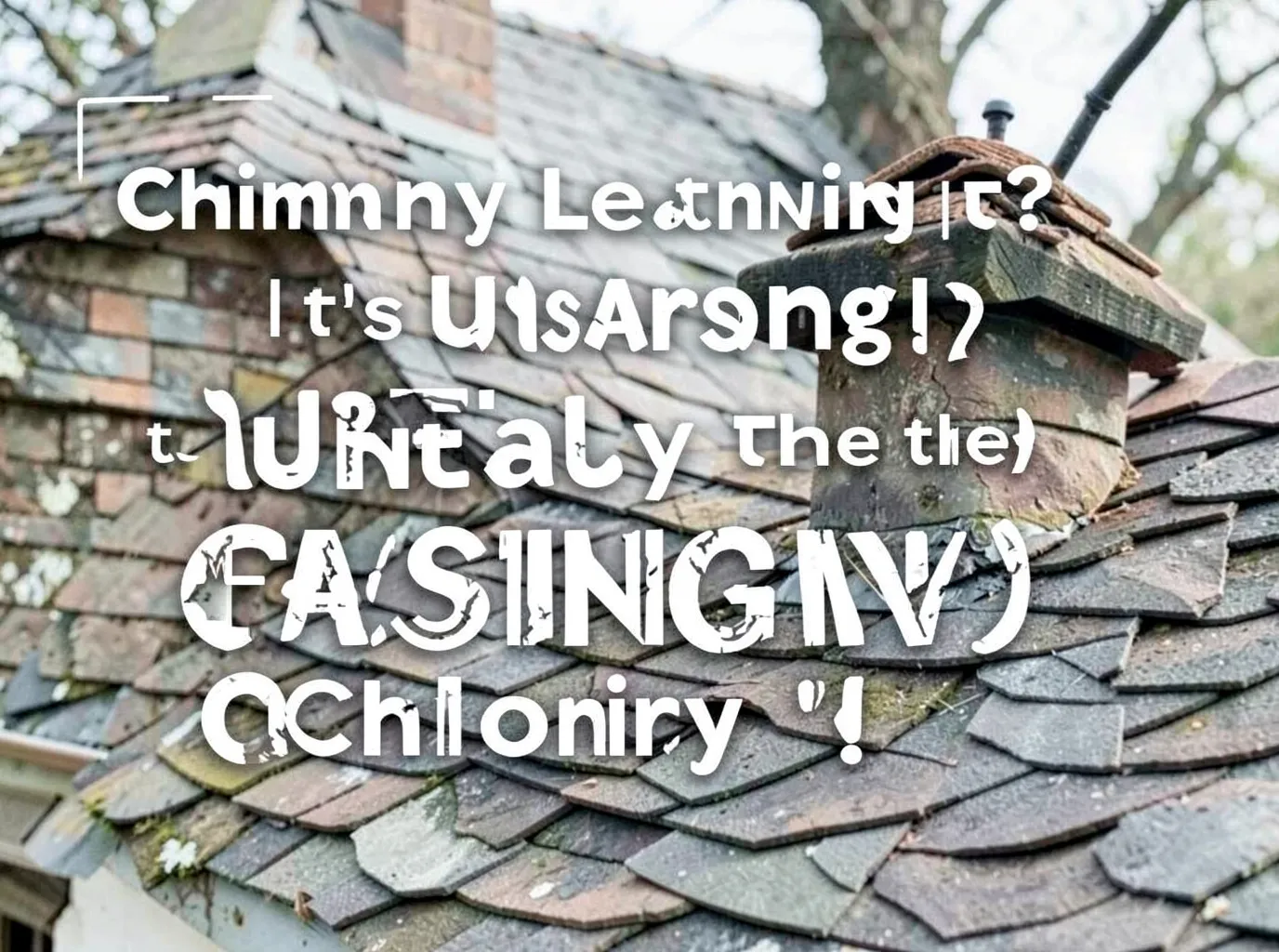
In Reading homes, chimney leaks almost always stem from deteriorated or poorly installed flashing at the roof junction rather than structural issues with the chimney itself. The humid continental climate brings hot summers that expand materials followed by freeze-thaw cycles that crack sealant and lift metal edges, allowing water to enter behind the chimney.
Why Flashing Fails First Around Chimneys in Berks County
Older housing stock in Downtown Reading, West Reading, and Mount Penn often features brick chimneys installed decades ago with original lead or copper flashing that has since corroded. Hot summer temperatures accelerate oxidation while winter ice and snow push against the seams. Homeowners in Hyde Park and Glenside notice leaks first after heavy rains because runoff concentrates at the chimney-roof transition where flashing has pulled away. Terrain around the Pagoda and near the Berks County Courthouse creates wind patterns that drive water under lifted edges more aggressively than in flatter sections of Lancaster or Allentown. Regular expansion from summer heat followed by contraction in winter simply wears the metal and sealant faster than the masonry above it.
Common Signs the Flashing Needs Attention
Water stains on attic rafters directly behind the chimney, damp spots on ceilings in second-floor rooms, or efflorescence on interior chimney walls all point to flashing rather than the stack itself. In neighborhoods like Glenside and Mount Penn, residents often report these signs after spring thaws when ice dams push moisture under the metal. Check exterior mortar joints only after ruling out flashing; if the masonry remains sound but water still appears, the flashing is the culprit. Roof Leak Detection & Inspection can confirm the source without unnecessary chimney work.
Steps to Address Flashing Issues Before They Worsen
Start by examining the roofline from a safe ladder position during dry weather. Look for gaps, rust, or sealant that has pulled away from the chimney base. In older homes near the Reading Public Museum or FirstEnergy Stadium, original flashing may be only 8–12 inches wide and now sits too low on the slope. Replace with wider step flashing and new counter-flashing tucked into the mortar joints. Avoid temporary tar patches that trap moisture and accelerate rot in the roof deck. For active leaks during storms, temporary measures appear in our guide on what to do when your roof is leaking right now. Ice dam pressure common in Berks County winters often damages the same flashing, so review how ice dams cause leaks for prevention steps.
When Professional Flashing Repair Becomes Necessary
If water reaches interior finishes or multiple storms produce the same stains, schedule targeted Chimney Flashing Repair rather than full chimney rebuilding. Crews familiar with Reading's row homes and twin properties in West Reading and Glenside know how to work around tight access and shared walls without disturbing neighbors. The work typically involves removing shingles in a 3–4 foot radius, installing new copper or stainless step flashing, and sealing the counter-flashing into raked mortar joints. This approach resolves the leak at its source and avoids the higher cost of masonry repairs that would not address the water entry point. Homes near the Berks County Courthouse or in historic districts benefit from matching the original metal profile so the repair blends with the roofline.